Software Development
Accessibility and Inclusivity in Custom Software Development: A Practical and Strategic Guide
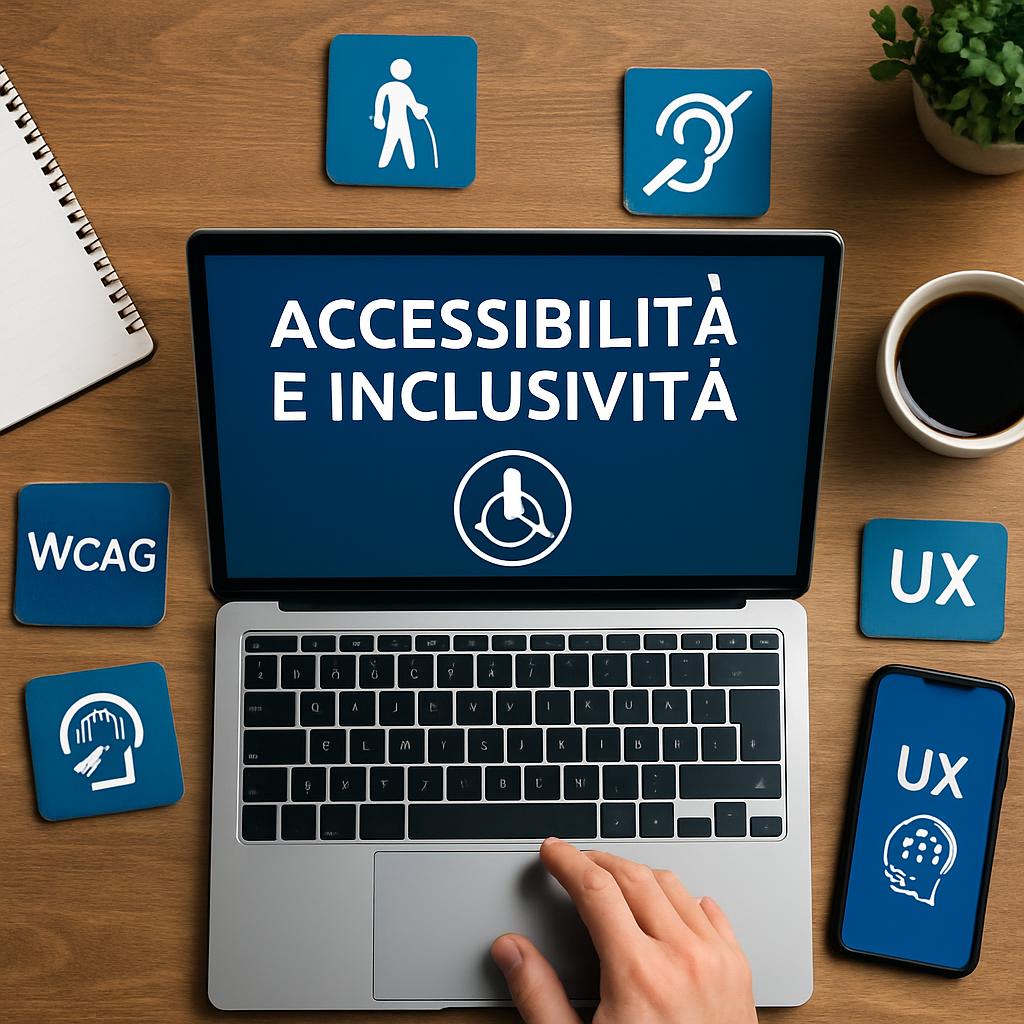
Introduction to Accessibility and Inclusivity in Corporate Software Development
For companies developing custom software, accessibility and inclusivity are now indispensable pillars for the success of their digital products. Integrating these principles ensures that all users, including those with permanent, temporary, or complex disabilities, can access information and utilize features without barriers.
Investing in accessibility goes far beyond mere regulatory compliance. European directives like the European Accessibility Act, national regulations such as Law 4/2004, and technical standards like WCAG 2.2 require accessible digital products, helping to reduce legal risks and sanctions. However, the main benefits include expanding the user base, improving usability for everyone, strengthening the corporate brand, and increasing market competitiveness.
For this reason, Astrorei promotes the adoption of WCAG as an essential reference in custom software development, valuing an "accessibility by design" approach from the project's early stages. It's not only about legal protection but also innovation, growth, and reputation through truly inclusive and competitive solutions.
WCAG 2.1/2.2 Principles Applied to Custom Software Development
In our approach, we follow the four fundamental principles of WCAG: Perceivable, Operable, Understandable, Robust (POUR), a crucial base for developing truly inclusive solutions.
To ensure content is perceivable, we always provide meaningful alternative texts for images, videos, and audio and ensure adequate contrast between text and background. The use of ARIA landmarks and semantic HTML structure helps screen readers interpret the content correctly.
Operability is ensured by making every interactive control accessible via keyboard, with visible focus indicators and preventing focus traps or difficult-to-navigate content. For understandability, we design interfaces with clear language, consistent layouts, explicit error signaling, and helpful suggestions.
Finally, the robustness of the software is ensured by valid and semantic code, testing on multiple browsers and assistive technologies, along with regular, automatic, and manual audits. This ensures true accessibility, compliant with AGID and European regulations, for reliable, scalable, and inclusive solutions offered by Astrorei.
Inclusive UX Strategies and Agile Processes for Customized Software Projects
To ensure an inclusive user experience in custom projects, it's essential to involve users with diverse profiles from the research phase. Workshops, interviews, and surveys help map real workflows and identify specific needs, improving the understanding of critical points and business objectives.
Accessible prototyping, at the heart of the Agile methodology, utilizes tools like Figma, Adobe XD, or no-code solutions to create interactive and accessible mockups quickly and efficiently. This approach facilitates iterative development cycles, constant feedback collection, and continuous refinement.
Accessibility testing, both automatic (with tools like Axe or WAVE) and manual (with real users, including people with disabilities), verifies compliance with WCAG requirements. Integrating these tests into CI/CD processes and using platforms like BrowserStack allows constant monitoring, ensuring accessible and high-performance software for all corporate users.
Practical Checklist for Accessibility Validation in Custom Projects
To ensure compliance with WCAG in custom projects, Astrorei proposes a concrete and straightforward checklist:
- Validate semantic markup: headings, lists, tables with captions, labels associated with form input fields.
- Use ARIA attributes only when necessary, ensuring consistency between the readable name and the accessible one.
- Organize navigation with unique landmarks.
- Respect minimum color contrasts of 4.5:1 for normal text.
- Ensure keyboard accessibility with clearly visible focus indicators.
- Include transcripts for audio, live captions, and audio descriptions for videos.
- Clearly signal form errors and allow their review before submission.
- Integrate automatic tests (axe-core, Lighthouse, WAVE) into the CI flow.
- Conduct manual sessions with screen readers and keyboard navigation.
These practices form the foundation for inclusive and tailor-made solutions for every Astrorei client.
Conclusion: Added Value of Astrorei in Accessible and Inclusive Software Development
Creating accessible and inclusive custom software requires in-depth technical skills, strict adherence to WCAG guidelines, and a constant focus on the real needs of end users. Astrorei stands out for these characteristics, thanks to a diverse team, a proven Agile approach, and constant attention to usability.
Partnering with Astrorei means choosing a partner that not only develops high-quality, tailor-made solutions but also values differences and integrates continuous user feedback, consistently improving the product. Additionally, our experience extends not only to accessible development but also to agility optimization and innovation: we invite you to discover how we drive digital transformation for companies on our blog, for example in the article about enterprise system integration strategies.
With Astrorei, custom software becomes not only accessible and inclusive but also competitive, reliable, and capable of generating real business value in a market increasingly focused on innovation and social responsibility.
To learn more about how we develop personalized and inclusive solutions, visit our dedicated page on custom software development services and contact us for personalized consulting. Choose Astrorei to make your digital transformation a path of success and inclusion.

Carlo Vassallo
You might be interested in
Talk to our experts
START YOUR FREE PROJECT DESIGN
Tell us about your project, we'll give you a clear roadmap.
One of our experts will contact you within 24 hours with an initial free assessment.