Software Development
Sustainable Software Engineering: Green Strategies for CTOs and IT Teams
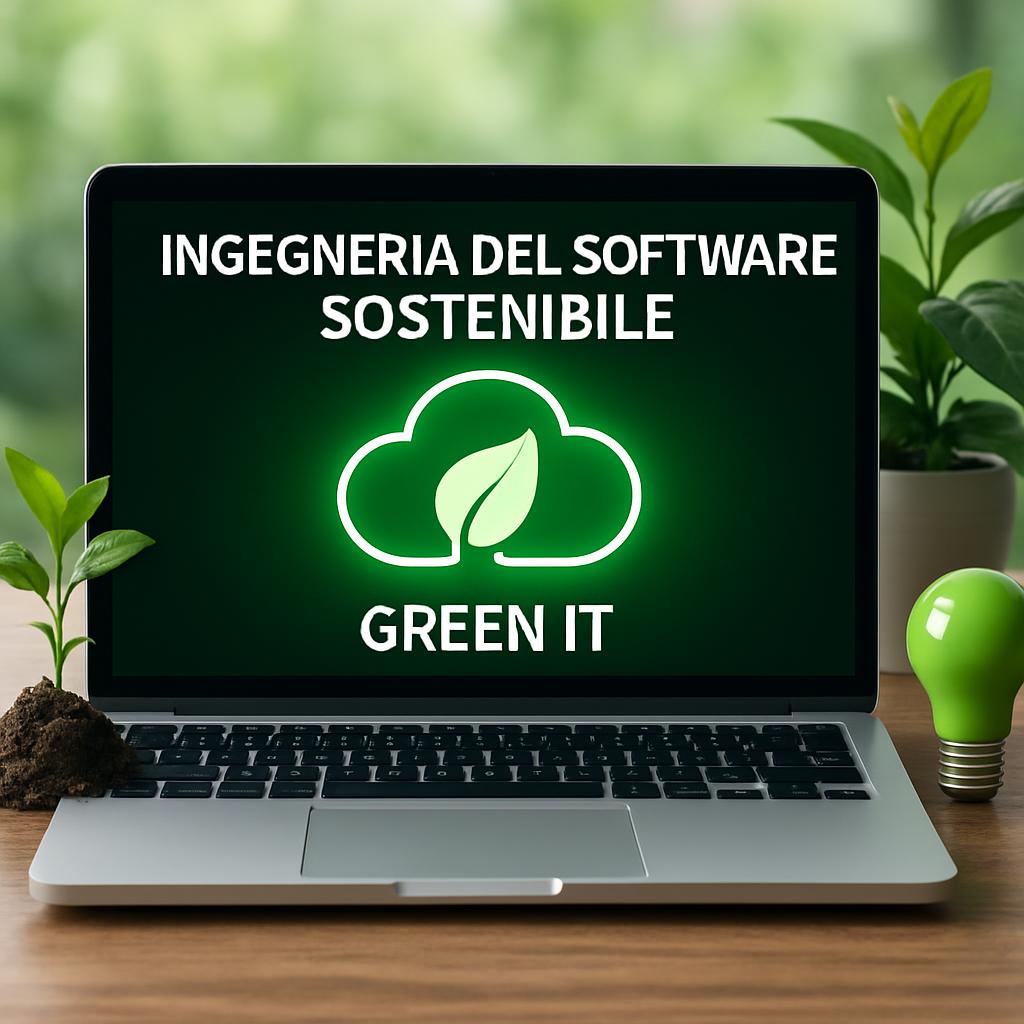
Introduction to Sustainable Software Engineering
Sustainability in software, also known as green software, is becoming an essential strategic priority for CTOs, IT managers, and development teams. Designing and managing cloud applications with a keen eye on environmental impact means reducing energy consumption, resource use, and CO₂ emissions, in line with best practices recommended by the Green Software Foundation.
The fundamental pillars of sustainable software include energy and resource efficiency, reduction of carbon footprint, responsible scalability, and application longevity. These principles guide the optimization of cloud architectures through practices such as rightsizing to avoid over-provisioning, adopting serverless models that utilize resources only when necessary, and implementing continuous monitoring through analytics tools to identify waste and optimize consumption.
For those responsible for IT choices, sustainability translates not only into a lower environmental impact but also into lighter, more economical, and reliable services. At Astrorei, we firmly believe that innovation and green focus must go hand in hand: this is why we adopt the best practices of consumption optimization and sustainable development, supporting companies in achieving their goals while respecting the environment and resources.
Designing and Architectures with Low Energy Impact
To reduce the environmental impact of cloud applications, it is essential to adopt sustainable and modern architectures. An effective approach combines microservices distributed on lightweight containers and serverless components to efficiently manage workloads. Serverless and containerization allow, if supported by autoscaling and shutdown policies, to activate resources only in response to real events, minimizing downtime and containing energy waste.
Cloud-native autoscaling and continuous rightsizing are key to aligning computing power with current demand. In some companies, this strategy has significantly reduced energy consumption and cloud costs through dynamic provisioning that intervenes only when necessary. A concrete example is a travel portal that migrated microservices to green data centers, replaced traditional VMs with containers and serverless functions, implementing traffic-based autoscaling, achieving a significant reduction in consumption and expenses.
For Astrorei, these solutions represent the path to follow: designing sustainable software by maximizing operational efficiency, reducing emissions, and generating economic and environmental value.
Code Optimization and Efficient Data Management
Choosing efficient programming languages such as C, Rust, C++, or Java helps reduce the energy consumption of cloud applications, making them more sustainable. Adopting optimized algorithms, such as heuristic schedulers or dynamic resource consolidation techniques, allows minimizing hardware resources usage while maintaining high performance.
In Astrorei projects, we focus on intelligent data management: we use advanced compression and cloud-native formats (such as Parquet or ORC) to reduce necessary storage and data traffic, decreasing environmental impact. We implement multi-level caching (with tools like Redis or Memcached) and lazy loading strategies to limit I/O operations and optimize client responses.
We manage the data lifecycle with automatic archiving and deletion policies, moving "cold" data to low-consumption storage and removing obsolete or unnecessary data. These best practices allow us to offer customized, efficient, and sustainable cloud solutions aligned with business needs and increasing sustainability awareness.
Green Cloud Infrastructure and Carbon-Aware Planning
Choosing a green cloud infrastructure is crucial to reducing the environmental impact of enterprise applications. It is advisable to rely on providers that employ data centers certified by third-party entities (RE100, Green-e, ISO 50001, LEED, ENERGY STAR) and powered 100% by renewable energy. Verifying energy reporting transparency and integrating this data into the ESG framework facilitates constant monitoring of sustainability goals.
Applying practices like rightsizing, autoscaling, shutting down inactive resources, and carbon-aware workload scheduling—shifting loads where and when clean energy is most available—optimizes consumption. The use of standard metrics such as Power Usage Effectiveness (PUE), Carbon Usage Effectiveness (CUE), and Carbon Intensity, alongside integrated tools like AWS Sustainability Dashboard or Google Cloud Carbon Footprint, allows precise monitoring and data for planning continuous improvements. This approach ensures operational savings and a progressive reduction of the Cloud Carbon Footprint, in line with the innovation and efficiency that Astrorei promotes.
Summary, Benefits, and How Astrorei Supports the Green Transition
Green software strategies for the cloud involve:
- resource rightsizing,
- elimination of inactive workloads,
- lightweight serverless and container architectures,
- efficient coding,
- carbon-aware planning.
These techniques reduce energy consumption and operational costs, helping companies optimize processes and decrease their carbon footprint. Integrating practices like hardware recycling, environmental reporting, and CI/CD optimization strengthens sustainability and ensures regulatory compliance.
| Strategy | Economic Benefit | Environmental Benefit |
|---|---|---|
| Rightsizing and active workloads | Cloud cost reduction | Reduced electricity consumption |
| Serverless/FaaS architectures | Pay only for actual use | Fewer servers always on |
| Optimized code | Lower resource expenses | Reduced carbon emissions |
| Carbon-aware planning | Incentive optimization | Utilizes renewables |
Astrorei offers custom solutions developed with a focus on balancing performance and efficiency, reducing overhead and IT waste. Our team partners with CTOs and IT managers interested in developing sustainable and competitive applications. To learn more about how our tailored software development solutions can concretely support your journey towards a green IT, we invite you to visit our dedicated page Custom Software Development and contact us for personalized consultation.
Together, we can turn sustainability into a competitive advantage, with technological solutions that respect the environment without compromising on performance.

Marco Tanzola
You might be interested in
Talk to our experts
START YOUR FREE PROJECT DESIGN
Tell us about your project, we'll give you a clear roadmap.
One of our experts will contact you within 24 hours with an initial free assessment.